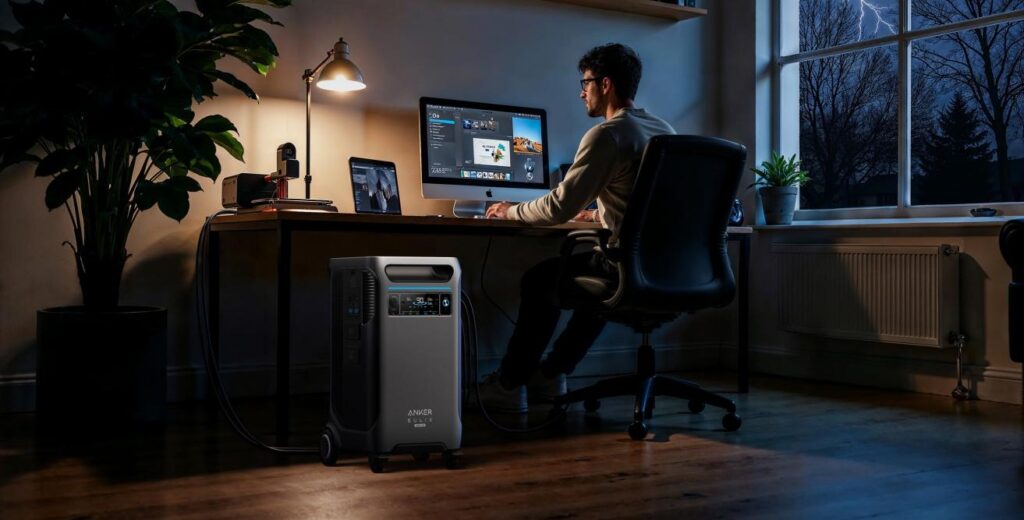
Home battery backups are crucial for ensuring a steady power supply during outages and optimizing energy usage from renewable sources. These systems offer independence from the grid, alleviate energy costs, and contribute to sustainability. Understanding core features empowers homeowners to choose systems that align seamlessly with their needs. Key considerations include technical performance, smart integration, safety, and reliability, creating robust backups that cater to modern living demands. This exploration into essential features will equip homeowners with insights needed to invest wisely in battery backups suited to contemporary and future power demands.
Core Technical Features of Backup Batteries
Evaluating the technical merits of home battery backups involves analyzing capacity, power output, and chemistry.
Battery Capacity & Scalability
Battery capacity determines how much energy the backup can store and supply during an outage or high-demand periods. Homeowners should choose based on their consumption patterns. High-capacity batteries accommodate larger homes or businesses needing substantial energy during blackout hours. Scalability is equally crucial; systems should allow for incremental expansions to meet growing needs or enhanced energy dependence. Whether adding more panels or increasing storage units, scalable systems offer flexibility. Opting for modular designs is often a defining trait of the best battery backup for home, as it ensures the system can grow alongside evolving power requirements without needing complete replacements.
Power Output & Inverter Performance
Power output is essential as it dictates the amount of electricity the system can provide at any given time, directly affecting what can be powered during outages. High-output batteries support more appliances or high-energy devices, maintaining normal operations without compromise. An efficient inverter converts direct current (DC) from batteries to alternating current (AC) usable by home appliances. Efficient inverter performance ensures minimal energy loss; homeowners should look for inverters with high conversion rates. Choosing systems with robust inverter capabilities fosters smooth transitions from solar-generated or grid power to backup power, ensuring optimal functionality under varied conditions.
Battery Chemistry and Lifespan
The chemistry of a battery impacts its performance, longevity, and safety. Lithium-ion batteries are popular for their compactness and efficiency, supporting warmer climates with less degradation. Lead-acid variants remain cost-effective but heavier, demanding regular maintenance. Consider battery lifespan as a vital measure of overall investment value. Long-lasting batteries reduce replacement frequency and costs, increasing savings over a product’s lifetime. Choose solutions with a good balance between chemistry and lifespan to guarantee durability. Prioritizing efficient, long-lifespan batteries maximizes investment potential, seamlessly integrating into home systems to provide reliable, long-term energy support.
Smart Integration and Usability Features
A smart battery backup system should integrate seamlessly with existing technology in the home.
Automatic Switching & Fast Response
Automatic switching ensures that power transitions swiftly and smoothly during outages without human intervention. Fast response times avert disruptions during transitions, maintaining a continuous power supply and minimizing inconvenience. Backup systems with rapid response and auto-switching focus heavily on convenience, enabling homeowners to enjoy uninterrupted power without frequent manual management. These features are instrumental for both safety and convenience, particularly in protecting sensitive electronics or ensuring continuous operations. Implementing intelligent systems with auto-switching allows homeowners to enjoy seamless transitions, optimizing their power usage automatically without manual oversight.
Energy Management & App Control
Energy management involves optimizing power utilization to maximize efficiency. Backup technologies should incorporate energy management systems (EMS) for monitoring consumption patterns and adjusting operations accordingly. App controls further enhance usability, providing real-time data, alerts, and configurations at your fingertips. A user-friendly interface allows for easy monitoring and adjustments based on energy demands. Emphasizing intuitive design, app integrations facilitate hassle-free interactions, granting users complete control over their home’s energy dynamics from their smartphones. Implementing such technologies ensures consumers engage directly with their energy usage, promoting informed energy-saving decisions.
Solar & Smart Home Compatibility
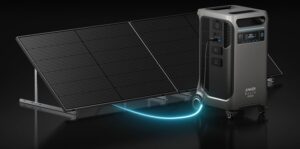
Compatibility with solar panels enhances the system’s sustainability and reduces reliance on non-renewable sources. Backup units that work seamlessly with solar arrays allow for efficient storage of solar energy, making full use of renewable infrastructure. Integration with smart home technologies, such as automated lighting and climate control systems, enhances overall efficiency and user convenience. When backup systems coordinate with smart home frameworks, they foster unified operations that optimize energy use across devices. Investing in compatible solutions yields future-focused benefits, enabling homeowners to leverage solar energy effectively while integrating smart home technologies into their daily lives.
Safety, Protection & Reliability Features
Ensuring safety and reliability is paramount for home battery systems.
Built-In Safety & Thermal Protection
Built-in safety mechanisms are vital in preventing overloads, short circuits, and potential hazards. Effective thermal regulation averts overheating, preserving battery health and extending lifespan. Reliable home battery systems must include comprehensive safety features, such as voltage regulation and temperature controls, to mitigate risks. Prioritizing units with robust safety components guards against malfunctions and ensures peace of mind for homeowners. These features enhance operational reliability while reducing the need for frequent maintenance or safety checks, allowing uninterrupted battery performance.
Redundancy & Backup Modes
Redundancy features play a crucial role in ensuring system resilience. By incorporating multiple pathways for power management, systems can swiftly respond to component failures or peak demands without compromising reliability. Backup modes provide alternative configurations, ensuring continuous power availability during emergencies or maintenance operations. This resilience is pivotal in offering secure and dependable power solutions for households, avoiding downtime and potential losses. Opting for systems with inherent redundancy invests in stable, uninterrupted energy management, protecting home operations from unexpected power disruptions while maximizing operational reliability.
Conclusion
Understanding these key features empowers homeowners to make informed decisions when choosing battery backup systems. With consideration for technical excellence, smart integration, and robust safety components, families can select technologies that fulfill energy needs efficiently. Prioritizing adaptable and durable systems ensures long-term benefits, optimizing energy utilization while enhancing household management. Reliance on competent backup units strengthens independence from inconsistent grid supply, bolstering sustainability. Investing in advanced battery backup solutions unshackles homes from the limitations of traditional power sources, paving the way for innovative, green energy management tailored to fit modern lifestyles.